
Article
The 82% gap that is quietly killing your AI investment
The 82% gap that is quietly killing your AI investment
The 82% gap that is quietly killing your AI investment
The 82% gap that is quietly killing your AI investment
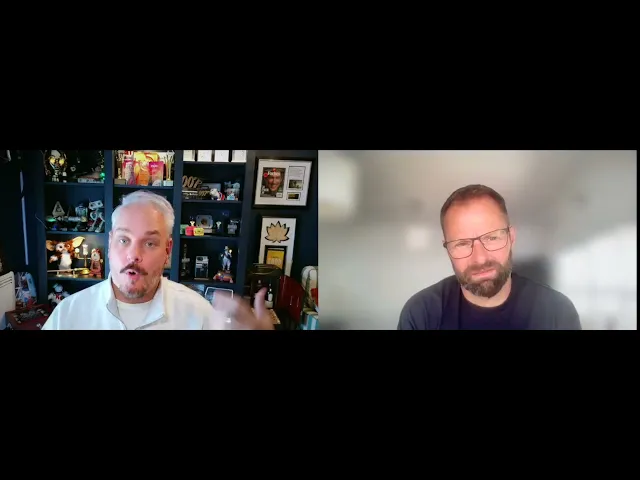
Last week we ran a webinar with Gethin Nadin, the bestselling author and psychologist who spends his life inside the people functions of some of the world's biggest organisations. He came with a stack of research and a clear argument. And one number in it stopped me cold.
Last week we ran a webinar with Gethin Nadin, the bestselling author and psychologist who spends his life inside the people functions of some of the world's biggest organisations. He came with a stack of research and a clear argument. And one number in it stopped me cold.

Blogs on people, performance & growth
Blogs on people, performance & growth
Blogs on people, performance & growth
Blogs on people, performance & growth

Andrew Heath
Andrew Heath
Last week we ran a webinar with Gethin Nadin, the bestselling author and psychologist who spends his life inside the people functions of some of the world's biggest organisations. He came with a stack of research and a clear argument. And one number in it stopped me cold.
Only 18% of organisations say HR and the business are fully aligned on what matters most.
That is an 82% misalignment gap between the people function and the people running the company. And it has barely moved in five years.
I have been thinking about that number ever since. Because once you sit with it, almost everything else about why AI investments are failing starts to make sense.
Most AI investments are not working. The reason is not the technology.
Start with the problem every CEO is currently staring at.
The boards have approved the budgets. Gethin shared the figures and they are staggering. Sixty-nine percent of CEOs say they will allocate as much as 20% of their budget to AI in the next year. Almost every company expects to double its AI spend over the next twelve months. Three quarters say they are doing it to drive productivity and profitability.
And yet the returns are not showing up. Across the world, only around 40% of workers are regularly using the AI tools their organisations have invested in. Less than half. The technology is sitting there, paid for, capable of lifting productivity by as much as 25% for daily users, and most of the workforce is not touching it.
This is the part that should change how every people leader thinks about their role. The gap is not a technology problem. The tools work. The gap is between what AI can do and how people actually behave day to day.
Gethin put it plainly. AI adoption is a people problem. And that means the function best placed to solve it is HR.
People will use AI at home. They will not use it at work. That tells you everything.
Here is the detail that makes the cultural argument impossible to ignore.
People are perfectly comfortable using AI in their personal lives. Eighty-seven percent now say AI is a positive thing. They use it to plan their finances, build fitness routines, draft difficult emails, even act as a sounding board. The fear of the technology itself has largely softened.
But that same enthusiasm does not follow them into the office.
The same person who will happily let AI manage their household budget will not use it to do their job. And the reason, according to the research Gethin pulled together, is not the tool. It is the environment around the tool.
When people feel psychologically safe, they experiment. When they trust their employer, they lean in. When they are not quietly worried about whether the organisation is looking for a reason to replace them, they use the tools in front of them freely and often.
The fear is not of AI. The fear is of what the organisation might do with it.
That is a culture problem. And culture is not a soft consideration sitting off to the side of the business. Microsoft's own research found that high performing organisations are 90% more likely to achieve successful AI adoption when they first have strong cultures of wellbeing.
Read that again. You will not get the return on your AI investment unless your people believe you care about them.
The 82% gap is where the whole problem lives.
This is the number that ties it all together.
If AI adoption depends on culture, and culture is HR's territory, then HR should be at the centre of the single biggest commercial conversation happening in boardrooms right now. It should be the function the CEO turns to.
Here's the moment Gethin drops 'the gap';
Instead, only 18% of organisations report full alignment between what HR believes is important and what the business believes is important. Seventy percent of executives say their HR team does not understand their goals. More than half of leaders say they do not get enough valuable advice from HR.
The function holding the answer is the one least connected to the people asking the question.
Gethin told a story in the session that I have not been able to shake. He was working with a large UK utilities company and put a proposal to the HR team that would bring their absence rate down from 8% to 6%. They were not interested. Absence was not a priority, they told him. Their CEO was not interested in absence.
So he pulled up the company's own group report. One of the three things the CEO had publicly committed to was reducing sickness and absence levels.
The HR team had never read it.
That is the 82% gap in a single anecdote. Not a lack of good ideas. A lack of connection between the work the people function is doing and the things the business has actually said it cares about.
Closing the gap is simpler than you think.
Here is what I took from the session more than anything else, and it is the reason I wanted to write this up.
The fix is not complicated. It does not require a new strategy or a bigger budget. It requires the people function to do one thing consistently. Speak the language of the people signing off the investment.
Gethin's practical advice was almost disarmingly simple. Get a copy of your company's annual report, your chairman's statement, your latest strategy document. Read it properly. Learn the language the CEO uses. And then frame every proposal you make in those terms.
Stop reporting absence rates and start reporting cost savings. Stop leading with engagement and retention and start leading with productivity. Not because the people metrics do not matter, but because they are heard as HR issues rather than board issues. Productivity is a board issue. Growth is a board issue. AI return is a board issue.
When you frame your work in those terms, the research says your business case becomes three times more likely to be signed off.
Three times. For doing nothing more than translating what you already do into the language of the person you are asking.
Why this is the moment for the people function.
For years the people function has been fighting to be seen as strategic rather than transactional. Budgets have tightened. Half of HR leaders expect their budget to stall or shrink. A third saw it cut last year.
But something has shifted. CEOs are now betting their reputations, and in many cases their tenure, on getting AI right. Half of CEOs believe their job depends on it. And the one thing standing between that investment and its return is not the technology. It is whether their people actually use it.
That is a people problem. Which makes it an HR opportunity.
The organisations that win the next few years will not be the ones with the best tools. They will be the ones whose people feel safe enough, supported enough and aligned enough to use them. That is the work the people function has always done. It has simply never been more commercially valuable than it is right now.
The 82% gap is not a problem to be ashamed of. It is the largest opportunity the people function has had in a decade.
The leaders who close it first will be the ones the boardroom finally starts listening to.
This is exactly the gap RoleKick is built to close. We connect strategy to people to performance, so the work happening across your organisation is visibly tied to what the business is trying to achieve.
Last week we ran a webinar with Gethin Nadin, the bestselling author and psychologist who spends his life inside the people functions of some of the world's biggest organisations. He came with a stack of research and a clear argument. And one number in it stopped me cold.
Only 18% of organisations say HR and the business are fully aligned on what matters most.
That is an 82% misalignment gap between the people function and the people running the company. And it has barely moved in five years.
I have been thinking about that number ever since. Because once you sit with it, almost everything else about why AI investments are failing starts to make sense.
Most AI investments are not working. The reason is not the technology.
Start with the problem every CEO is currently staring at.
The boards have approved the budgets. Gethin shared the figures and they are staggering. Sixty-nine percent of CEOs say they will allocate as much as 20% of their budget to AI in the next year. Almost every company expects to double its AI spend over the next twelve months. Three quarters say they are doing it to drive productivity and profitability.
And yet the returns are not showing up. Across the world, only around 40% of workers are regularly using the AI tools their organisations have invested in. Less than half. The technology is sitting there, paid for, capable of lifting productivity by as much as 25% for daily users, and most of the workforce is not touching it.
This is the part that should change how every people leader thinks about their role. The gap is not a technology problem. The tools work. The gap is between what AI can do and how people actually behave day to day.
Gethin put it plainly. AI adoption is a people problem. And that means the function best placed to solve it is HR.
People will use AI at home. They will not use it at work. That tells you everything.
Here is the detail that makes the cultural argument impossible to ignore.
People are perfectly comfortable using AI in their personal lives. Eighty-seven percent now say AI is a positive thing. They use it to plan their finances, build fitness routines, draft difficult emails, even act as a sounding board. The fear of the technology itself has largely softened.
But that same enthusiasm does not follow them into the office.
The same person who will happily let AI manage their household budget will not use it to do their job. And the reason, according to the research Gethin pulled together, is not the tool. It is the environment around the tool.
When people feel psychologically safe, they experiment. When they trust their employer, they lean in. When they are not quietly worried about whether the organisation is looking for a reason to replace them, they use the tools in front of them freely and often.
The fear is not of AI. The fear is of what the organisation might do with it.
That is a culture problem. And culture is not a soft consideration sitting off to the side of the business. Microsoft's own research found that high performing organisations are 90% more likely to achieve successful AI adoption when they first have strong cultures of wellbeing.
Read that again. You will not get the return on your AI investment unless your people believe you care about them.
The 82% gap is where the whole problem lives.
This is the number that ties it all together.
If AI adoption depends on culture, and culture is HR's territory, then HR should be at the centre of the single biggest commercial conversation happening in boardrooms right now. It should be the function the CEO turns to.
Here's the moment Gethin drops 'the gap';
Instead, only 18% of organisations report full alignment between what HR believes is important and what the business believes is important. Seventy percent of executives say their HR team does not understand their goals. More than half of leaders say they do not get enough valuable advice from HR.
The function holding the answer is the one least connected to the people asking the question.
Gethin told a story in the session that I have not been able to shake. He was working with a large UK utilities company and put a proposal to the HR team that would bring their absence rate down from 8% to 6%. They were not interested. Absence was not a priority, they told him. Their CEO was not interested in absence.
So he pulled up the company's own group report. One of the three things the CEO had publicly committed to was reducing sickness and absence levels.
The HR team had never read it.
That is the 82% gap in a single anecdote. Not a lack of good ideas. A lack of connection between the work the people function is doing and the things the business has actually said it cares about.
Closing the gap is simpler than you think.
Here is what I took from the session more than anything else, and it is the reason I wanted to write this up.
The fix is not complicated. It does not require a new strategy or a bigger budget. It requires the people function to do one thing consistently. Speak the language of the people signing off the investment.
Gethin's practical advice was almost disarmingly simple. Get a copy of your company's annual report, your chairman's statement, your latest strategy document. Read it properly. Learn the language the CEO uses. And then frame every proposal you make in those terms.
Stop reporting absence rates and start reporting cost savings. Stop leading with engagement and retention and start leading with productivity. Not because the people metrics do not matter, but because they are heard as HR issues rather than board issues. Productivity is a board issue. Growth is a board issue. AI return is a board issue.
When you frame your work in those terms, the research says your business case becomes three times more likely to be signed off.
Three times. For doing nothing more than translating what you already do into the language of the person you are asking.
Why this is the moment for the people function.
For years the people function has been fighting to be seen as strategic rather than transactional. Budgets have tightened. Half of HR leaders expect their budget to stall or shrink. A third saw it cut last year.
But something has shifted. CEOs are now betting their reputations, and in many cases their tenure, on getting AI right. Half of CEOs believe their job depends on it. And the one thing standing between that investment and its return is not the technology. It is whether their people actually use it.
That is a people problem. Which makes it an HR opportunity.
The organisations that win the next few years will not be the ones with the best tools. They will be the ones whose people feel safe enough, supported enough and aligned enough to use them. That is the work the people function has always done. It has simply never been more commercially valuable than it is right now.
The 82% gap is not a problem to be ashamed of. It is the largest opportunity the people function has had in a decade.
The leaders who close it first will be the ones the boardroom finally starts listening to.
This is exactly the gap RoleKick is built to close. We connect strategy to people to performance, so the work happening across your organisation is visibly tied to what the business is trying to achieve.
—
Ready to see it
Strategy execution for high-growth teams, in your inbox
Strategy execution for high-growth teams, in your inbox
Practical writing on people, performance and delivering strategy.
—
FAQs
FAQs
FAQs
Clarity on what RoleKick does, how it fits, and why it works.
Clarity on what RoleKick does, how it fits, and why it works.
Get the visibility your HR platforms don't give you
Get the visibility your HR platforms don't give you
Get the visibility your HR platforms don't give you
Get the visibility your HR platforms don't give you
See your strategy cascade into goals — and exactly where execution is on track or at risk.
See your strategy cascade into goals — and exactly where execution is on track or at risk.
For companies with 50–500 employees. No obligation.